Why People Should Choose Neuroscience-Based Coaching in Today’s World
In today’s fast-paced, high-stress environment, jobs don’t follow a straight path, businesses aren’t always easy to forecast, and personal growth isn’t a luxury anymore; it’s a need. The brain is the most important part. Our neurological wiring affects every choice we make, every relationship we create, and every problem we encounter.
That’s why coaching based on neuroscience has become one of the best ways to accelerate growth, boost performance, and make changes that endure. It’s not simply another coaching trend; it’s the next step in how we help people reach their full potential
1. The Problem With Traditional Coaching Models
Frameworks, motivating approaches, or stories about what have worked for other people are typically used in traditional coaching. These methods can be helpful, but they also have their limits:
- They can be based on personal opinion. What drives one person could be too much for another.
- They often forget how the brain is wired. It’s easy to establish objectives that are too high or accidentally cause resistance if you don’t know how our neural networks generate habits, beliefs, and emotional responses.
- They look at symptoms instead of the real problems. For example, a client who puts things off may seem to have a problem with time management, but it could be a physiological response to stress or fear.
Coaching based on neuroscience affects the game by making sure that every strategy is based on what we know about how the brain operates. It connects personal growth with the biological processes that control behaviour, which means gains last longer.
2. What Is Neuroscience-Based Coaching?
Neuroscience-based coaching is a method for assisting clients in reaching their objectives by drawing on findings in the fields of cognitive psychology, behavioural neuroscience, emotional regulation, and neuroplasticity. It uses the brain’s inherent mechanisms to bring about change, rather than depending on motivating hype.
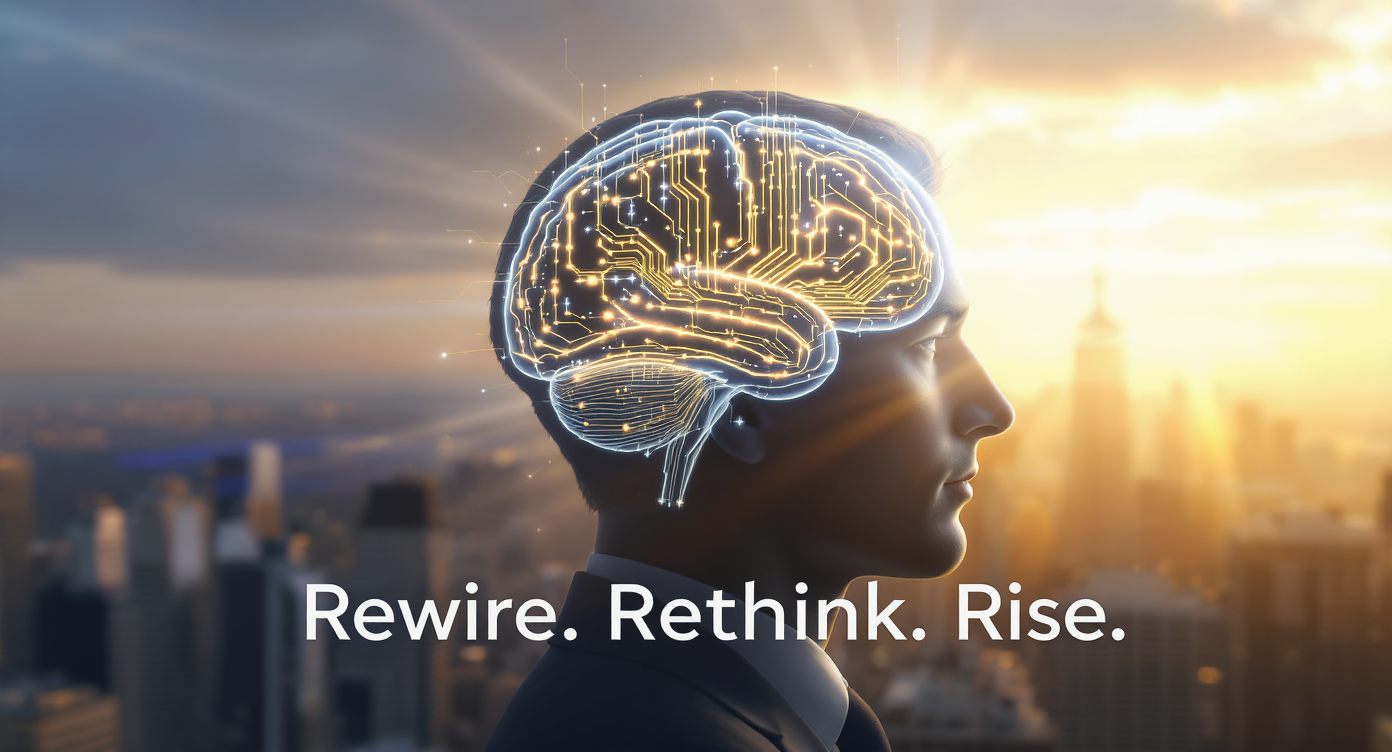
Rewiring mental processes to unlock performance is at the heart of this method. Clients can be assisted by coaches who have knowledge of neuronal connection formation, emotional decision-making, and the brain’s response to change, which enables them to:
- Break unproductive behaviours.
- Enhance your focus and creativity.
- Find better ways to deal with stress.
- Strengthen your ability to bounce back and adjust.
3. Why Neuroscience Matters Now More Than Ever
At no time in history has there been a higher demand for coaching grounded in neuroscience. Let me explain:
a. The Pace of Change is Overwhelming
Factors such as global rivalry, AI, and automation are swiftly reshaping industries today. The brain interprets the situation as a threat because it produces ongoing uncertainty. Individuals can learn to adapt, rather than resist or freeze, with the support of neuroscientific coaching.
b. Burnout is at an All-Time High
The World Health Organisation (WHO) now officially acknowledges overstress in the workplace as a syndrome. Memory, decision-making, and emotional regulation are all negatively impacted by the structural changes brought about by chronic stress in the brain, namely in the prefrontal cortex and hippocampus. Coaching based on neuroscience teaches resilience and recovery techniques supported by research, which can counteract negative impacts.
c. Leaders Need Better Emotional Intelligence
Technical proficiency is insufficient in today’s multicultural, high-stakes decision-making environment. Effective leaders are able to communicate, self-regulate, and demonstrate empathy. Under the guidance of neuroscience, leaders can effectively modify their behaviour in the present moment and understand why specific interactions elicit specific reactions.
d. Mental Health Awareness Is Growing
Although there is less shame associated with talking about mental health, individuals still lack effective resources. To help close this gap, neuroscience-based coaching provides brain-friendly ways to enhance emotional well-being outside of traditional treatment.
4. How Neuroscience-Based Coaching Works
Here’s what makes this approach distinct:
- Brain mapping and knowing yourself – Clients learn how their brains form habits, deal with stress, and process knowledge. Being aware of yourself is the key to making changes that last.
- How Neuroplasticity Works – Through regular, focused mental exercises, coaches help their clients change limiting beliefs with ones that help them succeed by using the brain’s ability to rewire itself.
- Tools to Control Your Emotions – Neuroscience-based techniques help clients learn to control their stress responses, make better choices when they’re under a lot of pressure, and stay focused.
- Setting goals that you can keep – Neuroscience-based teaching doesn’t make goals that are too general; instead, it makes goals that are in line with the brain’s reward system. This makes people more motivated to stick to their plans.
- Disruption and Habit Design – Clients learn how to break down old neural paths and build new ones. This makes it possible for good habits to become automatic.
5. Benefits You Can Measure
Unlike traditional coaching, neuroscience-based methods produce results that can be tracked and measured. Common benefits include:
- Improved Cognitive Performance: Faster problem-solving, sharper focus, and greater creativity.
- Stronger Emotional Resilience: Reduced anxiety, better stress management, and a calmer response to challenges.
- Better Relationships: Enhanced empathy, improved listening skills, and reduced conflict.
- Sustained Motivation: Goals that align with intrinsic motivation, making progress feel natural.
6. Who Can Benefit the Most?
Neuroscience-based coaching is not limited to executives or high performers—it’s valuable for anyone seeking meaningful growth.
- First-time managers & above: To lead with empathy, make better decisions, and inspire teams.
- Entrepreneurs: To stay focused, handle uncertainty, and remain resilient under pressure.
- Professionals in Career Transition: To navigate career changes with confidence and clarity.
- Teams: To improve collaboration, trust, and creative problem-solving.
7. The Competitive Edge in Business
Results are noticeable for businesses that use coaching based on neuroscience for leadership and team building:
- Teams work smarter, not merely harder, which leads to higher productivity.
- Reduced turnover: Staff members report feeling heard, valued, and inspired.
The ability to take risks and be creative is fostered in an innovation culture when employees feel psychologically comfortable doing so.
Some progressive businesses have already incorporated neuroscientific ideas into their personnel strategy; they include Google, Microsoft, and Deloitte. Previously considered a “nice to have”, this now serves as a competitive advantage.
8. Busting Common Myths
“It’s too scientific for practical use.”
On the contrary, neuroscience-based coaching distils complex science into simple, actionable strategies anyone can apply.
“It’s only for people with problems.”
This approach isn’t about fixing what’s broken—it’s about upgrading what’s already working. Even high performers benefit from fine-tuning their mental and emotional habits.
“It’s just a fad.”
Neuroscience research has been growing for decades. As brain imaging and behavioral studies advance, coaching methods will only become more precise.
9. The Future of Coaching is Brain-Centric (Neuroscience-based)
As we understand more about the human brain, the gap between science and personal development will close. Coaching is expected to become even more data-driven over the next decade, with brain-based diagnostics, neurofeedback, and AI-assisted tracking being used to personalise improvement.
Those who adopt neuroscience-based coaching today will be ahead of the curve, with the attitude, tools, and resilience to thrive in any situation.
Final Thought
Knowing how to make the most of one’s brain is the surest way to succeed in today’s information-rich yet attention-poor environment. Coaching based on neuroscience not only helps you work harder but also enables you to work smarter by leveraging your brain’s strengths.
Your mind is your greatest asset. We need to start making the most of it now.
If you want to maximise your potential, you need to invest money in your brain.
Now is the time to take action if you are prepared to transform your behaviour, enhance your performance, and strengthen your resilience using tactics supported by science. Let’s discuss how neuroscience-based coaching can help you and your team in today’s world. Comment below with “BRAIN” and I’ll share insights you can start applying today.